
Tips for Creating a Cozy and Productive Home Office Space

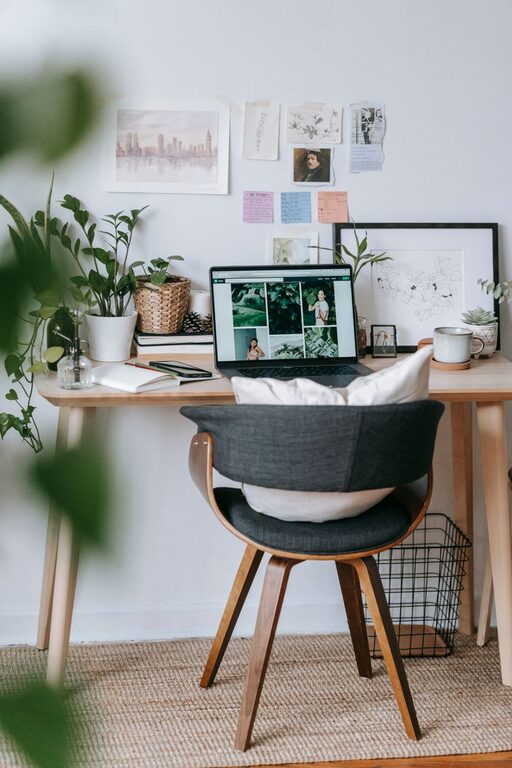
Creating a home office that is both cozy and productive can significantly enhance your work-from-home experience. Whether you’re a full-time remote worker or occasionally need a quiet spot for tasks, the right environment helps maintain focus while making your workday enjoyable. Here are practical tips to design a home office space that nurtures comfort and boosts productivity.
Choose the Right Location
Finding the perfect spot for your home office is the first step. Select an area that is quiet and has minimal distractions. If possible, dedicate a separate room to your office to mentally separate work from personal life. If space is limited, a well-defined corner in a living room or bedroom can work effectively.
Look for a location with good natural light, which can improve mood and energy levels. If natural light isn’t an option, invest in quality artificial lighting that mimics daylight.
Invest in Comfortable and Functional Furniture
Comfort is key when setting up your home office because you’ll spend hours there. A supportive ergonomic chair that encourages good posture will help prevent back and neck pain. Pair it with a desk at the right height, allowing your arms to rest comfortably.
Consider a desk with built-in storage or shelves to keep essentials within reach, helping reduce clutter. Adjustable desks that switch from sitting to standing can also benefit your health and productivity.
Optimize Lighting
Proper lighting reduces eye strain and keeps you alert. Natural light is ideal, so position your desk near a window if you can. Use sheer curtains to control glare without blocking daylight.
For artificial lighting, a combination of ambient overhead light and task lighting like a desk lamp works best. Choose bulbs with a color temperature close to natural daylight (around 5000K) for a bright and clear environment.
Personalize Your Space
Adding elements that reflect your personality can make your office feel warm and inviting. Incorporate artwork, plants, or decorative items that inspire you without creating distractions.
Plants, in particular, not only enhance aesthetics but also improve air quality and reduce stress. Choose low-maintenance varieties such as succulents or pothos if you don’t have a green thumb.
Keep Your Workspace Organized
A clutter-free workspace helps keep your mind clear and focused. Use organizers like trays, drawer dividers, and filing systems to manage paperwork and supplies. Label storage containers so you can easily find what you need.
Make it a habit to tidy your desk at the end of each day. This simple routine sets a positive tone for the next work session.
Manage Noise and Distractions
If your home is busy or noisy, try to minimize distractions. Noise-canceling headphones can be very effective in blocking out background sounds. Alternatively, white noise machines or apps that play ambient sounds like rainfall or coffee shop chatter can help improve concentration.
Discuss boundaries with family or housemates to respect your work hours and minimize interruptions.
Incorporate Technology Thoughtfully
Ensure your home office is equipped with reliable technology, including a fast internet connection, good-quality webcam, and microphone for virtual meetings. Organize cables with clips or sleeves to avoid tangled messes that create visual clutter.
Use software tools that promote productivity, such as calendar apps for scheduling and note-taking apps for ideas. Keep technology updated and troubleshoot issues promptly to avoid frustration.
Create a Routine-Friendly Layout
Arrange your office space to match your daily routine. If you frequently refer to documents, keep printed materials or reference books nearby. If you like to take quick breaks, have a comfortable chair or small seating area within the room.
Consider placing a water bottle or healthy snacks within reach to stay hydrated and energized throughout your workday.
Maintain Good Air Quality
A well-ventilated space helps maintain alertness and wellbeing. Open windows when weather permits or invest in an air purifier to reduce dust and allergens. Avoid strong-smelling cleaners or air fresheners that might cause headaches or discomfort.
Add Soothing Colors and Textures
Color and texture can influence mood and productivity. Soft, neutral tones such as light blues, greens, or warm beige can create a calm environment. You might also add a soft rug or cozy throw blanket to the space, making it feel more inviting and comfortable.
Avoid overly bright or harsh colors that can be distracting or cause eye fatigue.
Take Breaks Within Your Space
Building short breaks into your routine is important. Designate a small area within your office where you can stretch or relax briefly. Simple movements or breathing exercises can refresh your mind without having to leave your workspace.
—
Creating a cozy and productive home office takes some planning and personalized touches, but the benefits are well worth it. By focusing on comfort, organization, lighting, and mindfulness, you can build a space that supports both your work goals and your well-being. Start small, and gradually adjust your office to fit your style and workflow for a perfect balance of peace and productivity.